Industrial Waterlogging and Monsoon Readiness: Why Better Drainage Matters for Jhajjar & Bahadurgarh Factories
Industrial Waterlogging is a documented operational concern for industrial areas in Bahadurgarh. COBI’s website records water accumulation after heavy rainfall in MIE Part-A and Part-B, along with official inspections and requests for immediate drainage support. For factories, Industrial Waterlogging is therefore not merely a seasonal inconvenience; it is connected with the ability to resume production normally and reduce avoidable disruption during the monsoon.
The website also shows that monsoon readiness was discussed before the rains. During a pre-monsoon inspection, COBI raised waterlogging, drain cleaning, waste disposal and water-discharge concerns with the administration. These verified updates create a clear local message: Industrial Waterlogging needs both an immediate response and a permanent drainage plan, supported by consistent coordination between industries, HSIIDC and district authorities.
Table of Contents
- Why Industrial Waterlogging matters for local factories
- What COBI’s website records about the MIE industrial areas
- How drainage affects production continuity
- Monsoon readiness priorities for industrial areas
- Immediate pumping and permanent drainage planning
- The role of COBI and government coordination
- Practical communication checklist for factories
- Frequently asked questions
Why Industrial Waterlogging Matters for Jhajjar and Bahadurgarh Factories
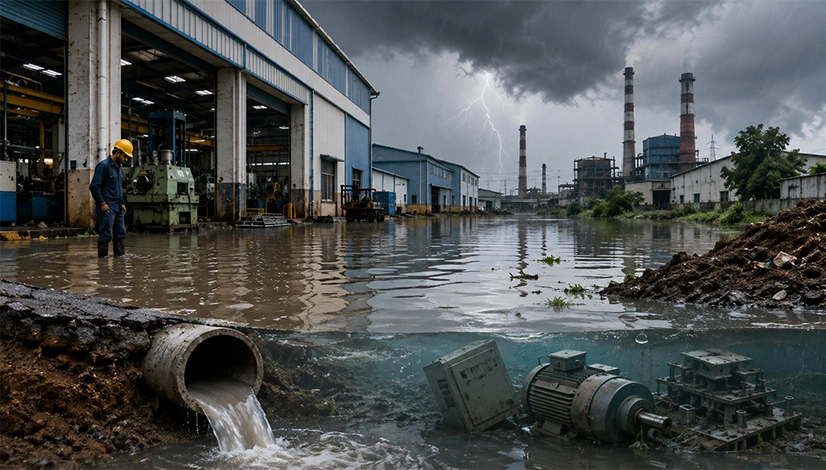
A factory depends on access, utilities, movement and a workable surrounding industrial environment. When rainwater remains in an industrial area, the immediate concern is restoring normal operations. COBI’s July 2026 update specifically connected the removal of accumulated water with restarting production and limiting economic loss. That wording keeps the issue grounded: Industrial Waterlogging matters because industrial infrastructure must support continuity, not become an additional barrier during the rainy season.
What COBI Records About Industrial Waterlogging in MIE Part-A and Part-B
The July 2026 MIE Inspection
On 9 July 2026, COBI published an update about a joint visit to MIE Part-A and Part-B following heavy rainfall. The delegation met Bahadurgarh SDM Abhinav Siwach and HSIIDC officials and reviewed the situation on site. COBI requested the immediate use of pumps to remove standing water. It also argued that a temporary arrangement alone would not resolve recurring Industrial Waterlogging and called for a permanent, scientific drainage arrangement supported by a long-term action plan. Readers can review the documented MIE waterlogging inspection on COBI’s website.
Pre-Monsoon Readiness Before Heavy Rain
A separate COBI update dated 30 May 2026 records an inspection of the MIE industrial area ahead of the monsoon. COBI representatives placed water accumulation, cleaning of drains, waste disposal and water discharge before the Deputy Commissioner and SDM. The officials issued directions to the relevant departments and assured early attention. This industrial infrastructure and monsoon preparedness update shows that Industrial Waterlogging should be addressed before heavy rain, not only after standing water becomes visible.
Drainage Readiness and the Need for Production Continuity
COBI’s source does not quantify shutdowns or loss estimates. It confirms that urgent drainage was sought so production could return to normal and economic harm could be reduced. This establishes the business relevance without adding unsupported numbers. Drainage readiness supports a dependable operating environment, while delayed action can prolong disruption after heavy rainfall.
The issue also belongs within a wider infrastructure conversation. COBI’s Knowledge Series discusses the value of roads, electricity, water and planned industrial estates. The related guide to industrial areas in Bahadurgarh and Jhajjar provides useful local context. The local drainage concern illustrates why basic infrastructure still requires attention after an industrial area has been established.
How to Build Monsoon Readiness Against Industrial Waterlogging
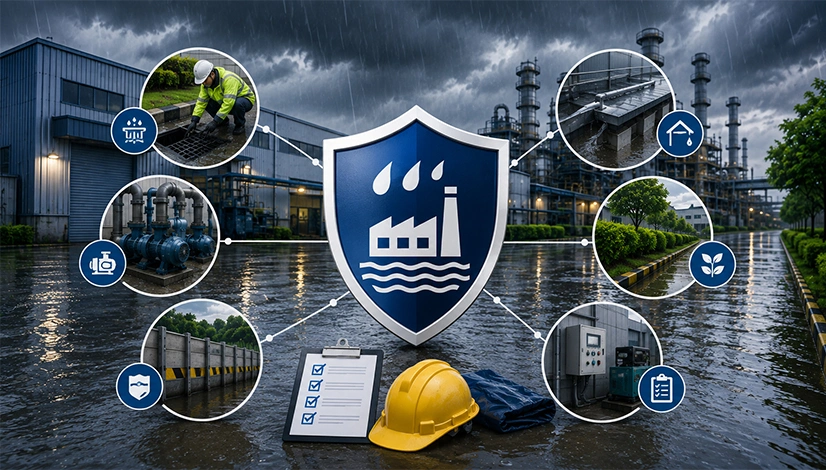
Inspect Drainage Before Industrial Waterlogging Worsens
The May inspection supports early review of known problem areas. COBI discussed drainage alongside drain cleaning and waste disposal. This is not an engineering specification, but it shows the value of identifying Industrial Waterlogging concerns before heavy rain and placing them before the responsible authority.
Connect Drain Cleaning and Waste Disposal
COBI presented drain cleaning, waste disposal and water discharge as connected monsoon concerns. Industrial Waterlogging should therefore not be discussed in isolation from drains and surrounding waste. The website does not prescribe a cleaning schedule; it establishes only that these connected concerns require attention during monsoon preparation.
Maintain Immediate Pumping Response
When heavy rainfall had already caused standing water, COBI requested pumps for immediate removal. Pumping was presented as a response needed to help normal production resume and limit loss. This makes it an important short-term element of Industrial Waterlogging management. However, COBI also stated that temporary measures were not enough, which prevents the emergency response from being mistaken for a complete or permanent solution.
Develop a Permanent Drainage Plan
COBI’s strongest long-term point is the demand for permanent, scientific drainage and an implemented action plan. For Industrial Waterlogging, this shifts attention from repeated reaction to planned improvement. Engineering designs, capacity assessments and execution schedules must come from competent authorities and technical teams.
Coordinate Industrial Waterlogging with Authorities
The verified updates show industry representatives raising site issues, administrators inspecting the area and departments receiving directions. Industrial Waterlogging crosses organizational boundaries, so consistent communication matters. COBI’s About page describes a common platform linking industries with government agencies through advisory and advocacy.
A Practical Industrial Waterlogging Communication Checklist
A factory cannot independently redesign public drainage, but it can communicate conditions clearly through the appropriate channels. The following checklist stays within the actions reflected on COBI’s website and avoids unsupported technical advice:
- Identify the precise industrial-area location where Industrial Waterlogging is visible.
- Record whether accumulated water is affecting access or the return to normal production.
- Share the issue with the relevant industrial association and responsible public authority.
- Ask whether immediate pumping or another authorized short-term response has been arranged.
- Continue requesting attention to drain cleaning, waste disposal and permanent drainage planning.
For general background—not as a substitute for local engineering or official directions—readers may consult Wikipedia’s explanations of urban flooding and stormwater. The claims about Bahadurgarh in this blog, however, remain based on COBI’s own published updates.
Frequently Asked Questions About Industrial Waterlogging
Is Industrial Waterlogging documented on the COBI website?
Yes. COBI published updates concerning standing rainwater in MIE Part-A and Part-B, a joint inspection with officials, immediate pumping and the need for permanent drainage infrastructure.
What immediate action did COBI request?
COBI requested pumps to remove accumulated water so normal production could resume and the possibility of further economic loss could be reduced.
What permanent solution did COBI seek?
The association sought a permanent, scientific drainage arrangement, stronger drainage infrastructure and a long-term action plan implemented by the responsible authorities.
Does this article provide an engineering design?
No. It explains verified website information and local priorities. Technical surveys, designs and execution decisions should come from competent authorities and qualified professionals.
Conclusion: Industrial Waterlogging Needs Readiness and Long-Term Action
COBI’s published record supports a balanced conclusion. Industrial Waterlogging requires immediate action when rainwater has accumulated, but emergency pumping cannot replace permanent drainage planning. Pre-monsoon inspections, drain cleaning, waste-disposal attention, prompt coordination and a long-term drainage action plan form the clearest website-supported priorities. Such reporting keeps priorities visible without inventing unsupported technical specifications or outcomes. For Jhajjar and Bahadurgarh factories, the goal is practical: an industrial environment in which rainfall does not repeatedly interrupt normal operations and unresolved infrastructure concerns reach the appropriate department.